Innate Chiropractic Center

Get Out Of Pain - Call And Schedule Now (517) 481-2629

Schedule First Appointment
Call Now (517) 694-8881
  • Home
  • Services
  • Our Team
  • FAQ
  • Contact
  • Forms
    • New Patient Form
    • Existing Patients
  • Testimonals
  • Blog

A Strong Foundation for a Properly Functioning Body

Have you ever noticed when something in your body is not working properly or just feeling off? If everything was in the proper place, working the way it was supposed to, you wouldn’t be experiencing that sensation. What chiropractors look for are spinal bones out of place, pinching on nerves. When you pinch a nerve it doesn’t cause pain. But it causes the nerve flow to be choked off. If the nerve flow is choked off, whatever that nerve is going to isn’t getting the right nerve energy and this will cause a weakness in that area. If you have a weakness then your body can’t handle the everyday stresses, the things you would like to do, and this can result in symptoms or pain. Sometimes, with repetitive stresses or trauma, this will cause the spine, usually over years, to heal wrong.

The point is to re-establish order in the structure of the body so that all the major segments are in vertical alignment where they can function properly. Picture a building that has lost its architectural integrity. When a building is even slightly off center, gravity can cause it to sag until finally it loses balance and begins to collapse under its own weight. A properly functioning nervous system is one of the keys to health and vitality. This can be achieved through utilizing different health options that chiropractors have to offer. Reducing or removing the nerve interference or subluxations helps the body reestablish its own innately driven architectural integrity.

Understanding Ergonomics – How Seat Design Plays a Vital Role

FreedomChairIt is estimated that at least 50% individuals in the industrialized world suffer from some kind of back problem, most notably due to a poor or inadequate seat design. How we sit all day in front of our workstations has a marked impact on the overall health of our spine. As a result of bad posture, the lumbar region in the back bone is what takes the most pounding. Here’s what you need to know, and many chiropractors will stand by it.

There is no universal seat that’s designed to accommodate every single person. But there are a number or ergonomic factors that come into play when we’re talking seat design. These generally work well for the average person.

Seat height should be set in a way so as to support a knee angle of 90 degrees. This takes undue stress off the thighs and buttocks. A chair that’s too high will increase the pressure at the underside of the knees, reducing blood flow and increasing unnecessary pressure on the nerve.

A chair that’s too low places pressure on the ischial tuberosities – this is where the upper thigh originates in the gluteus maximus region. Normally, the glutes cover them in the upright position, but they are exposed and at an ergonomic disadvantage when we’re sitting.

Optimal seat depth is recommended at 16.5”; between 14” and 18.5” for adjustable seats.

You should avoid hard seats. Seat pan contouring and cushioning should be designed in a way so that pressure is distributed over a larger area and the pelvis rotates forward – this encourages better posture.

Ideal seat cushioning is about 2” thick. The cushioning needs to be firmer and thicker in the back, while being less firm and thinner at the front. Too much cushioning and your body is going to sink into the chair, restricting movement. A soft chair may be very welcoming and comfortable at first, but it goes against basic ergonomic sense; as the body sinks, blood flow is reduced and skin temperature rises as you experience more compression under the thighs. At the end of the day – more discomfort.

A seat width that’s between 20” and 23” generally works well.

An ideal seat angle helps you maintain good contact with the backrest; a 5 to 10 degree angle is good.

There many more ergonomic factors related to optimal seating, and these are just some of them at a glance. A good chiropractor can help you determine exactly what type of chair best suits your body type.

Image used under Creative Commons Licensing: FreedomChair.jpg

Importance of Blending Chiropractic Care with Back-Strengthening Exercise

Side_PlankBack problems often are a result of a bad posture that could cause severe pains.  Restoring the back to its original and natural condition takes time, and a combination of chiropractic care with the recommended exercise can dramatically enhance recovery.

A combination of the two provides numerous benefits.  Exercise keeps muscles in their proper tone, increases blood circulation around the body, improves digestion and develops a better lifestyle all together.

The following back-strengthening exercises complement the healing process greatly:

Hip Bridge

The Hip Bridge exercise strengthens those muscles near the lower back that play an important role in stabilizing the spine.

It can be carried out by lying on the back with the feet flat and about hip width apart; the knees should be bent.   The arms should be relaxed.  The person then squeezes their buttocks as they lift their hips in a straight line towards the shoulders.  After around 3 seconds, return to the starting position, slowly.

Around 12 repetitions are recommended.

Bird Dog

The bird dog exercise aims at strengthening the lower back, hip, butt and thigh muscles.

The person kneels on the floor with both hands spaced out about a shoulder-width apart.  Tuck in the belly towards the spine and raise one leg straight backwards while raising the other hand in opposite direction.

Hold in this position for 15 seconds and then return to starting point, carrying out the same procedure on the opposite side hand and leg.

Side Plank

The side plank exercise strengthens the lower back.  It is done by the following method:

The person is to lie on their right side, straight from head to the feet while resting on their forearms.  The elbow should be directly under their shoulder.  The abdominals are to be gently contracted and the hips slowly lifted off the floor – in the same straight position.

This position should be held for at least about 30 seconds before lowering the hip.

Lunge

Lunge exercises enhance a person’s overall control of their body.  This tends to protect the spine in daily activities, such as walking and running or even stair-climbing.

Starting off with the abs gently contracted.  The hands are placed on the hips; the person then takes a big step-forward using the right foot while sinking the right knee at a right-angle.

The person should then slowly return to the starting position, switch the legs and repeat – 10 repetitions are recommended.

Image used under Creative Commons Licensing: Side Plank.jpg

Sciatica, Chiropractic and Pregnancy – What to Expect

SciaticaPregnancySciatica – What is it?

According to chiropractic practices, Sciatica is a common type of pain that affects the sciatic nerve which is a large nerve that extends from an individual’s lower back down the back of each leg. The sciatic nerve also happens to be the largest single nerve in the human body. It is composed of individual nerve roots that branch out from the spine in the lower back and come together to form the sciatic nerve.

A person who suffers from the condition may exhibit the following symptoms –

  • Burning or tingling sensation down the leg
  • Weakness or numbness
  • Difficulty moving the leg or foot
  • Constant pain on one side of the rear
  • Shooting pain that increases when the individual tries to stand up

The pain that is associated with sciatica usually extends from the lower back through the back of the thigh and down the leg. It often occurs on one side of the body. It can also be debilitating to some. The symptoms of sciatica also vary according to where the nerve is pinched. For example, an impingement in the lumbar segment 5 (L5) can cause weakness in extending the big toe and in some cases, the ankle.

Sciatica and Pregnancy

Sciatica is also a common condition in pregnant women and usually appears during the third trimester of pregnancy. It is caused when a woman’s expanding uterus ends up putting pressure on the sciatic nerve on the lower spine. The same occurrence is also known to cause lower back pain during pregnancy. The reason the condition occurs during the third trimester is due to the fact that the growing baby shifts into the proper birthing position during this time. This makes the developing fetus rest directly on the nerve which causes the mother major pain in the buttocks. The pain also radiates to the back and legs.

The pain can be constant or intermittent depending on how many times the baby changes position. However, the lower back pain may also persist after birth.

Fortunately there are ways through which a person might be able to rid herself of the pain. Some women say that a cold or hot compress to the affected area can help lessen the pain. Just make sure that the heating pad isn’t too uncomfortably hot. Getting off your feet and walking around can also help get rid of the pain.

Chiropractic and Pregnancy

There are also patients who have sought out chiropractic services instead of opting for spinal surgery for cases such as these. It is easy to see why. Chiropractic care is non invasive and relies on the body’s natural ability to heal itself.

Image Used under Creative Commons license. Photo Credit: Swanger_vrou2.jpg
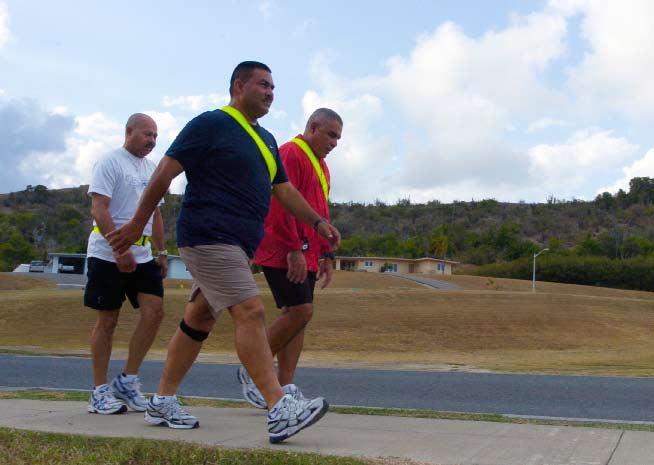
How Lack of Exercise Affects Health

The_'weigh'_he_was_--_weightloss_at_GuantanamoA lack of exercise results in numerous health problems, starting from seemingly harmless weight gain to cardiovascular diseases and a much higher chance of suffering a stroke.  Research has concluded that as many people die because of the effects of lack of exercise as the number that die from smoking.

This is why chiropractic exercises are strongly recommended to maintain a healthy and balanced lifestyle and avoid all complications that can lead up to a stroke.

The following problems can occur due to lack of exercise:

1. Obesity

Obesity is one of the major effects of a lack of exercise.  Various health problems can surface due to obesity such as diabetes, breathing issues, high blood pressure and a far greater risk of suffering a heart attack.

Besides the physical effects, many psychological effects also accompany obese people.  Low self-esteem that leads to depression can be a devastating experience.

It is no doubt that obesity can result from genetic factors, but a lack of exercise is usually a major reason.

2. High Blood Pressure

Being overweight can lead to hypertension.  The blood vessels clog up which restricts blood flow.  Hypertension exposes a person to various other risks, such as heart attack, kidney failure and many other ailments.  A hypertensive individual is more likely to develop diabetes.

3. Decline in Brain Function

Exercise helps in increasing the flow of blood to the brain, while lack of exercise does the opposite.  A brain that is deprived of blood cannot function normally as it would otherwise.  The brain can also physically shrink due to the lack of blood supply – a research states that this ‘shrinkage’ can be avoided and mental abilities can be enhanced by regular exercise.

4. Reduction in Strength of Bones and Muscles

A sedentary lifestyle can weaken the bones and muscles, thus exposing an individual to a greater chance of injury as well as diseases such as arthritis.  Lack of exercise can make a person more prone to fractures in case of a fall along with knee-joint and hip problems later on.

5. Increased Chances of Developing Cancer

Research was carried over several years and the results show an increased chance of cancer from a lack of exercise.  Also, people who were physically fit when they developed cancer had a far greater chance of survival than those who had led a sedentary lifestyle.

Image used under Creative Commons Licensing: The ‘weigh’ he was — weightloss at Guantanamo.jpg

  • « Previous Page
  • 1
  • …
  • 12
  • 13
  • 14
  • 15
  • Next Page »
Innate Chiropractic Center (517) 694-8881
7045 South Cedar St. #1 Lansing MI 48911
Innate Chiropractic Center
Contact Us
7045 South Cedar St. #1
Lansing, MI 48911
(517) 694-8881

https://www.chiropractorlansing.com
Hours
Monday
Tuesday
Wednesday
Thursday
Friday
Saturday
Sunday
11:00am - 5:30pm
9:00am - 1:00pm
9:00am - 1:00pm
Closed
11:00am - 5:30pm
9:00am - 1:00pm
Closed

Connect With Us

  • Facebook
  • Twitter
  • YouTube

Privacy Policy

© 2026 Innate Chiropractic Center - Powered by GotchaLocal.com

Font Resize
Contrast
Accessibility by WAH
  • A Review
  • About Us 2
  • Blog
  • Contact
  • Frequently Asked Questions
  • Home
  • Meet Our Team
  • New Patient Form
  • Oops
  • Privacy Policy
  • ReviewWave Shared Reviews
  • Scheduler
  • Services
    • Chiropractic
  • Testimonals
  • Thank You