Innate Chiropractic Center

Get Out Of Pain - Call And Schedule Now (517) 481-2629

Schedule First Appointment
Call Now (517) 694-8881
  • Home
  • Services
  • Our Team
  • FAQ
  • Contact
  • Forms
    • New Patient Form
    • Existing Patients
  • Testimonals
  • Blog

Choose Chiropractic Care for Healthier Living

Activator_II_adjustment_instrumentChiropractic care is a medical system that aims to eliminate the root of a problem rather than just suppressing the symptoms.  Chiropractors manipulate the spinal column along with other parts of the body with the aim of easing pain, promoting the body’s systems to naturally heal it along with prescribing exercise to eliminate postural problems.

This approach introduces a healthier lifestyle for an individual.

Chiropractic Treatment Techniques

Here are numerous chiropractic treatment techniques that are used in treating patients:

Activator

The activator is a device that is used to correct minor misalignments in the spine.  It sends a small impulse that is sufficient enough to move the vertebrae without causing any injury.

Bio-Energetic Synchronization Technique (BEST)

This is a non-forceful technique that is used to remove blocked energy in the body and allows it to heal itself.
Cox Flexion Distraction

This procedure is a safe alternate to back surgery and is designed to relieve lower back pain by altering the spinal column.  However, it is also used to treat disc herniation, stenosis, arm and neck pains as well as many other complications.
Applied Kinesiology

Applied Kinesiology gauges a muscles’ strength or weakness to find an illness.
Thompson Terminal Point

This technique utilizes a special drop table to adjust the full length of the spine.

Sacro-Occipital Technique (SOT)

The SOT technique is designed to reduce and sometimes completely eliminate pain in the head, neck, spinal cord, TMJ as well as improve function of many organs.


Logan Basic Technique

The Logan technique applies a gentle and sustained pressure at the base of the spine, that corrects the balance of the spinal column and releases tension.
A gentle, sustained pressure is exerted at the base of the spine. Correcting the sacrum corrects the rest of the spine.

Nimmo Technique

Nimmo technique is designed to relieve people of their chronic pain, whether in the muscle system, nervous system or skeletal system.

Orthotics

Orthotics focuses design and construction of external devices that help in modifying the structure of the body, such as uneven leg length, incorrect spinal curvature and tilted pelvis.

Emphasis on Exercise

Chiropractors believe that physical exercise is essential for the well-being of the human body.  This is why they prescribe exercises that are easy to carry out at home.  These exercises aim at reducing or preventing obesity that is a major factor in causing heart diseases, diabetes and many other diseases.

Image used under Creative Commons Licensing: Activator II adjustment instrument.png

Ergonomics and Employee Productivity

020614-N-0552D-001Ergonomics has become a very popular field, which deals with designing suitable furniture, which is comfortable for individuals, both at home and in the office environment. The absence of ergonomically fit furniture and surroundings, results in different muscular problems in individuals like back pain, neck ache, strains, and carpal tunnel syndrome. Chiropractors provide treatment for alleviating the pain caused because of engaging in strenuous activities throughout the day.

How Is Employee Productivity Linked To Ergonomics?

Ergonomics or human factors, focuses on designing furniture and workplaces, so as to ensure convenience and ease for individuals, both at home and at the office. An ergonomically fit work environment is designed to ensure, that the working stations and the furniture used, are in accordance with the industry standards. It facilitates the functioning and activity of employees, engaged in work at the computer or at the factory floor.

Employees working in an environment, in which the work spaces and the computer equipment are stationed within easy reach, and do not cause any strain, will remain fit and healthy, resulting in efficient productivity. A considerable percentage of employees, contract different muscular pains and strains, which affects their work efficiency. In cases of extreme pain, sometimes individuals have to take time off from work in order to regain enough fitness to resume work.

Benefits of Ergonomically Fit Surroundings

An office having a work station and space, specifically designed keeping in mind the ergonomic standards prevalent in the industry, facilitates the factory workers and office employees in performing their duties efficiently and on time. This improves the overall productivity, resulting in increasing profits for the business.

By designing a safe and ergonomically fit factory production site, companies can ensure minimum accidents and absences of workers. The suitably designed production lines, with the appropriate equipment, increase productivity and worker efficiency, and reduce the wastes to a minimum.

The correct usage of lights and space in the workplace improves productivity and minimizes errors, which results in high job satisfaction.

An ergonomically fit work place is not only convenient for the employees and workers, but it also benefits the business by improving the productivity levels of the company. The improved morale and work efficiency of the employees, increases job satisfaction, and also minimizes the risk of accidents and muscular strains, caused because of inconveniently and unsuitably designed work places. Chiropractors provide treatment to employees suffering from various muscular strains and pains, contracted while working in an office.

Image Used under Creative Commons license. Photo Credit: US Navy 020614-N-0552D-001 SPAWAR award winning employee.jpg

Cervical Herniated Disc – Disc Injuries and Chiropractic Care

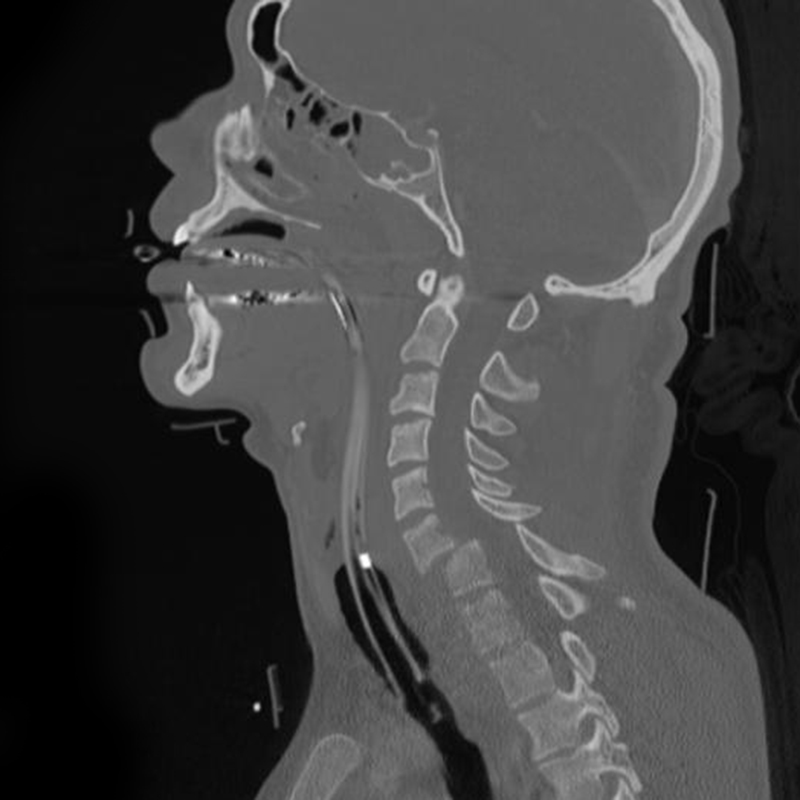
Cervical_fracture_dislocation_C6-C7Individuals, engaged in strenuous everyday tasks of lifting and shifting heavy loads, and operating machines and computers for long hours on end, run a high risk of experiencing spinal disc injuries. Injuries in the spine or neck region tend to cause extreme pain and hindrance in the movement of the back or neck. Cervical herniated disc is a medical condition in which the patient feels excruciating pain in the neck, due to a slipped disc. Chiropractors provide invasive treatment methods for relieving the pain in the neck and spinal areas of the body.

What Is A Cervical Herniated Disc?

It is a medical condition, in which the individual suffers from extreme pain in the neck, and sometimes shoulder region, due to a slipped disc or pressure on a nerve. Cervical herniated disc injuries are less common than a lumbar herniated disc, which affects the lower region of the body. A cervical herniated disc condition is in the neck region of the body.

The 7 applicable vertebra of the spine are termed as C1 to C7, in a descending manner, for medical convenience. Between every two vertebra, a disc is located which serves as shock absorbers for the spine. The exertion and pressure on the neck and spine of the body causes swelling or bulging of the disc which might in extreme cases, even cause the disc to rupture, resulting in severe disc injuries.

The swelling and bulging of the disc exerts pressure on the nerves, which results in extreme pain in the neck and back region, hampering movement of the affected individual. A slipped disc or cervical herniated disc in the vertebra segment of C4 to C5 causes nerve root impingement, which results in pain in the upper shoulder or arm, hindering movement. Any swelling in the cervical segment of C5 to C6 results in weakening the front arm muscles, also called biceps, and causes a numbing and tingling pain in the wrist. It is the most common area in which a cervical herniated disc condition occurs.

The herniation of the discs in the C6 to C7 vertebra results in creating painful sensations in the back muscles of the arm, also called triceps,  which extends all over the hand, causing pain up to the fingers. Any disc herniation in the C7 to T1 region, results in affecting the control and grip of the hand, with a tingling pain and numb sensation throughout.

Chiropractic Care

Chiropractic care and treatment methods are highly effective for different musculoskeletal disorders and spinal disc injuries, experienced by individuals because of over exertion and engagement in strenuous activities. Chiropractors provide services for joint and muscle adjustment and pain relief.


Image used under Creative Commons Licensing: Cervical fracture dislocation C6-C7.jpeg

Causes of Back Pain

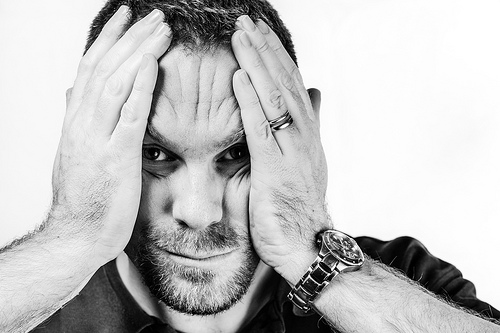
10418151535_d230e6de16Back pain may occur due to various reasons; be it a sports injury, pulling a heavy object or a fall/ injury to the spine. If you are suffering from back pain, it would be wise to have a look at some of the common risk factors and causes of back pain before going to the chiropractor.

Risk Factors

The risk of back pain varies in different individuals, depending on their lifestyle. People who work in a mentally stressful job, smoke or go through strenuous physical work are more susceptible to back pain than those who don’t. Other factors such as pregnancy, anxiety, depression and obesity can also lead to this condition. Age is also a factor, as older individuals are at a higher risk than younger ones.

Causes Of Back Pain

Strain

The most common cause of back pain is strained muscles and ligaments, which may be a result of lifting something heavy or a sudden awkward movement. It can also be caused by improper posture due to a bad mattress or sitting position.

Structural Problems

The human body is a complex structure composed of bones, muscle, ligaments and joints. A fault in any of these can cause numerous problems, including back pain. Some particular structural problems that may affect the back are as follows:

Arthritis

Arthritis can cause various joint problems in the hips and lower back.

Bulging And Ruptured Disks

The vertebra in our spine is cushioned by a disk, so a ruptured disk would result in more pressure on the nerves, resulting in back aches. A bulging disk would put even more pressure on the nerves.

Sciatica

A bulging disk can also press on a nerve in the spine, causing a shooting pain through the buttocks and down the legs.

Curvature Of The Spine

An unnatural curvature of the spine can cause the space around the spinal cord to narrow, causing back pains.

Osteoporosis

A vertebra fracture can be caused by the bones becoming more brittle.

Spinal Cancer

A growth or tumor on the spine may press against a nerve.

Infections

Infection of the nerves (shingles) and spine may also cause pains.

Cauda Equine Syndrome

The growth of nerve roots at the bottom of the spinal cord can cause a dull pain, as well as lack of feeling in the upper buttocks.

Image used under Creative Commons Licensing: There’s pain in my head by Stefan Neuweger


Understanding Ergonomics – How Seat Design Plays a Vital Role

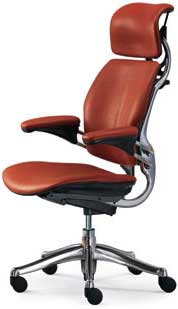
FreedomChairIt is estimated that at least 50% individuals in the industrialized world suffer from some kind of back problem, most notably due to a poor or inadequate seat design. How we sit all day in front of our workstations has a marked impact on the overall health of our spine. As a result of bad posture, the lumbar region in the back bone is what takes the most pounding. Here’s what you need to know, and many chiropractors will stand by it.

There is no universal seat that’s designed to accommodate every single person. But there are a number or ergonomic factors that come into play when we’re talking seat design. These generally work well for the average person.

Seat height should be set in a way so as to support a knee angle of 90 degrees. This takes undue stress off the thighs and buttocks. A chair that’s too high will increase the pressure at the underside of the knees, reducing blood flow and increasing unnecessary pressure on the nerve.

A chair that’s too low places pressure on the ischial tuberosities – this is where the upper thigh originates in the gluteus maximus region. Normally, the glutes cover them in the upright position, but they are exposed and at an ergonomic disadvantage when we’re sitting.

Optimal seat depth is recommended at 16.5”; between 14” and 18.5” for adjustable seats.

You should avoid hard seats. Seat pan contouring and cushioning should be designed in a way so that pressure is distributed over a larger area and the pelvis rotates forward – this encourages better posture.

Ideal seat cushioning is about 2” thick. The cushioning needs to be firmer and thicker in the back, while being less firm and thinner at the front. Too much cushioning and your body is going to sink into the chair, restricting movement. A soft chair may be very welcoming and comfortable at first, but it goes against basic ergonomic sense; as the body sinks, blood flow is reduced and skin temperature rises as you experience more compression under the thighs. At the end of the day – more discomfort.

A seat width that’s between 20” and 23” generally works well.

An ideal seat angle helps you maintain good contact with the backrest; a 5 to 10 degree angle is good.

There many more ergonomic factors related to optimal seating, and these are just some of them at a glance. A good chiropractor can help you determine exactly what type of chair best suits your body type.

Image used under Creative Commons Licensing: FreedomChair.jpg

  • « Previous Page
  • 1
  • …
  • 8
  • 9
  • 10
  • 11
  • Next Page »
Innate Chiropractic Center (517) 694-8881
7045 South Cedar St. #1 Lansing MI 48911
Innate Chiropractic Center
Contact Us
7045 South Cedar St. #1
Lansing, MI 48911
(517) 694-8881

https://www.chiropractorlansing.com
Hours
Monday
Tuesday
Wednesday
Thursday
Friday
Saturday
Sunday
11:00am - 5:30pm
9:00am - 1:00pm
9:00am - 1:00pm
Closed
11:00am - 5:30pm
9:00am - 1:00pm
Closed

Connect With Us

  • Facebook
  • Twitter
  • YouTube

Privacy Policy

© 2026 Innate Chiropractic Center - Powered by GotchaLocal.com

Font Resize
Contrast
Accessibility by WAH
  • A Review
  • About Us 2
  • Blog
  • Contact
  • Frequently Asked Questions
  • Home
  • Meet Our Team
  • New Patient Form
  • Oops
  • Privacy Policy
  • ReviewWave Shared Reviews
  • Scheduler
  • Services
    • Chiropractic
  • Testimonals
  • Thank You